
Field-tested ways to make higher prices feel safer than the cheapest bid.

Key Takeaway: You can charge more when your proposal makes the buyer feel protected, not pressured. Lead with disruption and risk control on page one, offer two clear paths, and only discount when the plan or schedule truly changes.
All prices are anonymized composites from real bid patterns. Use the structure and logic, not the exact numbers.
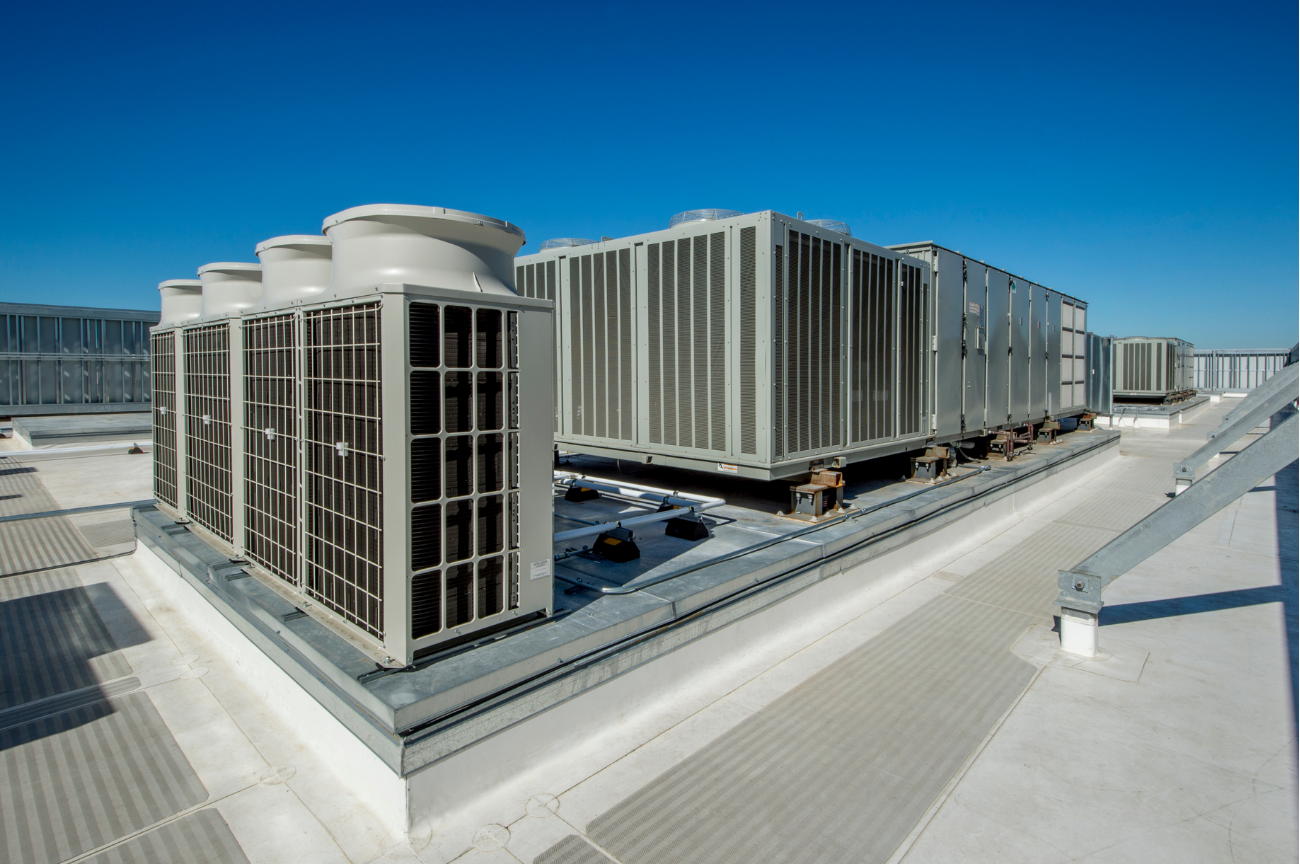
Late afternoon. The parking lot is half empty. The rooftop unit Carlos wanted to replace is visible from where he's parked.
He runs a commercial HVAC shop with a solid name and $7M in annual sales. The calendar still has a few gaps. Last June, he went for it. A retail rooftop replacement with noisy tenants and a property manager racing the summer clock. Carlos sent his first number.
$147,000.
The text came back within hours.
“Other guy is at $132K. Can you sharpen your pencil?”
Carlos dropped to $135,000... Then, another text:
“Close. Can you get to $130K?”
He checked the calendar. Two crews had gaps. Carlos looked at Tasha, his operations lead. “Do we need this one?” She pulled up the crew schedule on her phone and thumbed through next week. “We’ve got holes. Yeah, we need it.”
He went to $129,500 and hit send. Two days of silence... He checked his email too often. He replayed the texts too many times. He told himself the third number would land it. Then the email showed up.
“We’re going with the other contractor. Thanks for working with us.”
Carlos called the property manager. “I matched the number. What happened?” She did not hesitate. “Your scope was fine. Their plan looked cleaner.”
Carlos had given up $17,500 and still lost. That was the moment he realized the truth most shops avoid. You do not lose price battles in the estimate. You lose them in the explanation.
If you are not sure your prices are profitable even when you win, read Is My Pricing Making Any Profit?. This post is about making higher prices feel safe to approve, not setting your profit floor.
Reality
Carlos thought discounting protected his crews and kept momentum. But three rounds of cuts showed him something uglier.
Price cuts do not buy trust. They only buy a shorter conversation about your number.
The buyer still has to decide whether you will protect tenants, reduce disruptions, and keep them out of trouble when schedules slip. If you do not show that clearly, your price becomes the easiest thing to compare and the easiest thing to pressure.
Fix It
That night, Carlos pulled the last 12 proposals over $75,000. He separated them into three piles.
A pattern showed up fast. On most losses, he had sent an equipment-first PDF and hoped the property manager would connect the dots.
On most wins, he had walked a decision-maker through the plan live and led with disruption and coverage.
He felt two things at once. Relief that the problem was fixable. Anger that he had been treating the first page like a formality.
Pro Move
Carlos stopped treating price as a lone number and started treating it as a safety decision.
The way you line up choices changes what buyers feel is safe to approve. If you want to see the behavioral research behind this, this primer on "choice" explains why the buyer wants a safe path, not a math fight.
Quick Win
Pull your last three losses over your “big job” threshold and answer this in one sentence each.
If your answer is fuzzy, your price is not the main issue. Your first page is.
Reality
Carlos used to open proposals like most strong technicians do.
Equipment.
Tonnage.
Scope.
Timeline.
Price.
That structure works when you are small, local, and competing on speed. It fails when the buyer is choosing who will protect their tenants and their reputation.
Fix It
The next morning, Carlos opened the retail rooftop proposal he had just lost. Tasha stood behind him with a coffee and a tired look that said she had seen this movie before.
She scrolled the first page. “This is all tonnage and lead times,” she said.
“Where do you show them what happens to tenants on Saturday?”
Carlos didn’t have an answer. So they rebuilt page one together. He used a client-language sequence.
Then he tested it on a live bid already in motion, a $110,000 variable air volume (VAV) retrofit for a medical office. He deleted the equipment list from page one. In its place, he wrote:
Situation: “Your third-floor tenants are reporting temperature swings twice a week. Your facilities team is firefighting instead of preventing.”
Plan: “We will replace the failed VAV controls, rebalance airflows, and stage the work over two weekends to avoid daytime disruption.”
Options: Two paths tied to uptime risk.
Proof: One line from a nearly identical building.
He read it back to himself. It sounded less like a contractor. More like someone who understood what kept a facilities manager awake.
Pro Move
Carlos built a small proof bank. Five short, specific stories his team could drop into page one and repeat during live reviews. Not case studies written like brochures.
Field notes:
This is how you stop discount requests before they start. You are not asking buyers to trust your brand claims. You are giving them a familiar pattern they can see themselves inside.
Quick Win
Rewrite the first page of your biggest active proposal. Delete the equipment list from page one. Give yourself a hard limit.
If you cannot fit it, your offer is not crisp enough to justify a stronger number.
Reality
Carlos was not losing because his prices were “too high.” He was losing because his proposals made higher prices feel risky.
When buyers do not see how you will reduce disruption and prevent the next emergency, they default to comparing costs.
That is not a bad buyer. That is a missing story.
Fix It
Carlos created three clean paths. Simple labels his team could say without sounding like they were selling a car.
He wrote one sentence under each.
On his next retail rooftop quote, he put real numbers behind those paths.
The property manager chose Protect. Not because it was cheap. Because it felt like the least risky way to keep tenants calm through summer.
Pro Move
When Protect or Future-Proof included energy or controls upgrades that could legitimately change operating cost, Carlos anchored the value with public tools.
You do not need to drown buyers in numbers. You just need to show you are not inventing the value. The U.S. Department of Energy’s state savings calculators are a useful reference for the idea that efficiency choices can be quantified, not just promised.
Quick Win
For your next proposal over your big-job threshold:
If you cannot explain the upgrade in plain language, do not include it.
Reality
Carlos used to discount to “keep the relationship.”
But he saw the pattern. When you discount without a stronger story, you train the buyer to ask again.
And you train your internal team to believe your number is negotiable by default.
Fix It
Carlos set three simple bands for discount authority tied to job size and calendar reality.
The point was not control. The point was consistency.
Two weeks later, another property manager pushed for a cut on a $98,000 office fit-out. Tasha forwarded the request with one line. “Yellow.”
Carlos wrote the reason for the concession. They were moving crane time to nights. They were absorbing an extra weekend. The discount was tied to a real operational shift, not nerves.
The buyer accepted it without another round.
Pro Move
Carlos made the rule visible. He added one line to the proposal template.
“This price reflects the disruption plan and risk protections outlined on page one.”
That sentence did two things.
Quick Win
Pick one job type you bid every month. Write your no-explanation-needed discount cap in dollars and percent.
If your sales lead pushes back, that is the signal the rule is finally real.
Eight weeks after the retail loss, a $165,000 controls retrofit opened up for a Class A office building. The facility manager was blunt.
“We need the fix, but I can’t have another contractor who acts like this building is empty at 2 p.m.”
Carlos’s competitor came in at $158,000.
Last year, Carlos would have tightened his number and hoped the relationship carried it. This time he led with the first page. Situation, plan, two options, proof. Then he offered two real paths.
He walked the facility manager through the phasing schedule. Explained how they would work nights and weekends to avoid daytime noise. Dropped one proof-bank story from a similar office tower. Halfway through the call, the facility manager stopped him.
“Option B. When can you start?”
Carlos won at $182,000.
When he told Tasha, she studied the signed agreement and shook her head. “That’s not a price increase,” she said. “That’s a plan upgrade the buyer could actually see.” Carlos nodded.
Same building logic. Same equipment class. Different story. A safer yes.
Start where your actual pain is.
For a quick win, run the Bid Win Rate Scorecard now. This is a fast pulse, not the full proposal system we build inside your Workplan.
If you want a shop-specific first-page template, proof bank, tiered offer language, and discount rules your team can run without you hovering, the Sales Growth Workplan is where we build it.

Here are the top toolkits HVAC owners are reading, using, and sharing to work smarter every week.
Land $250k-plus jobs by proving you can carry risk (not by cutting price) using the strategies elite shops build before they ever bid.

Growth isn't in stranger hunting, it's hiding in A-job upgrades, renewal lanes, and multi-site expansions with customers who already trust you.

When sales won’t break through, the constraint is leadership, process, or both. Pinpoint it, tighten targeting and grow steady without exhausting crews.

If your team’s relying on charm, hustle, or guesswork to win jobs, it’s time for a system. Learn how elite shops sell consistently and at a premium.

No spam. Get real advice and proven tactics to win more jobs and keep more profit.
“We cut the noise, ran the plan, and made more in two quarters than we did all last year.”
— Sean, Massachusetts

